91164 / LESSON 01
Lewis
CONTENTS
Lewis
Structures
Learn how to count valence electrons, build Lewis structures, and check that your final structure makes sense.
CONTENTS
Demonstrate understanding of bonding, structure, properties and energy changes.
Each Chemistry standard in Level 2 is marked according to the following guideline:
There are also general expectations that marking reports routinely mention, which are important to keep in mind when answering questions. These include:
Like most externals, this standard will have three questions. Typically each question will focus on one of three different topics, with these topics serving as the building blocks of what you need to know. Hence, you need to be familiar with:
Learn how to count valence electrons, build Lewis structures, and check that your final structure makes sense.
A Lewis structure is a diagram that shows how the valence electrons of atoms are arranged in a molecule.
It shows two things:
Lewis structures focus on valence electrons because these are the electrons involved in chemical bonding.
Valence electrons are those in the outermost shell of an atom.
Most atoms are most stable when they have 8 electrons around them. This is called the octet rule.
When drawing a Lewis structure, we therefore try to arrange the electrons so that the atoms have a full outer shell.
Like anything in chemistry, however, there are some exceptions:
The diagram shows three different things:
A single line represents one bonding pair: 2 electrons.
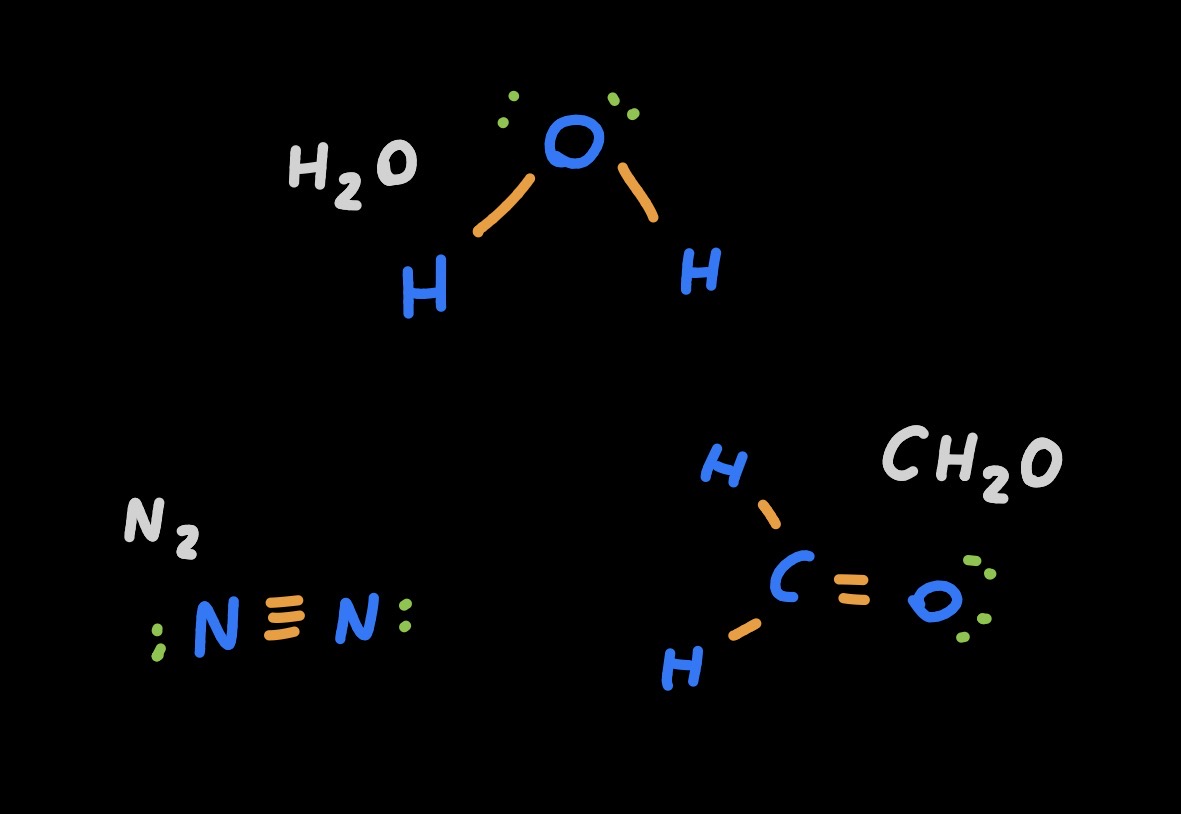
Before drawing anything, we need to know how many valence electrons are available.
The periodic table tells us this from an element's group number.
The periodic table is organised into groups (columns) and periods (rows).
For the main-group elements, the group tells us how many valence electrons the atom has.
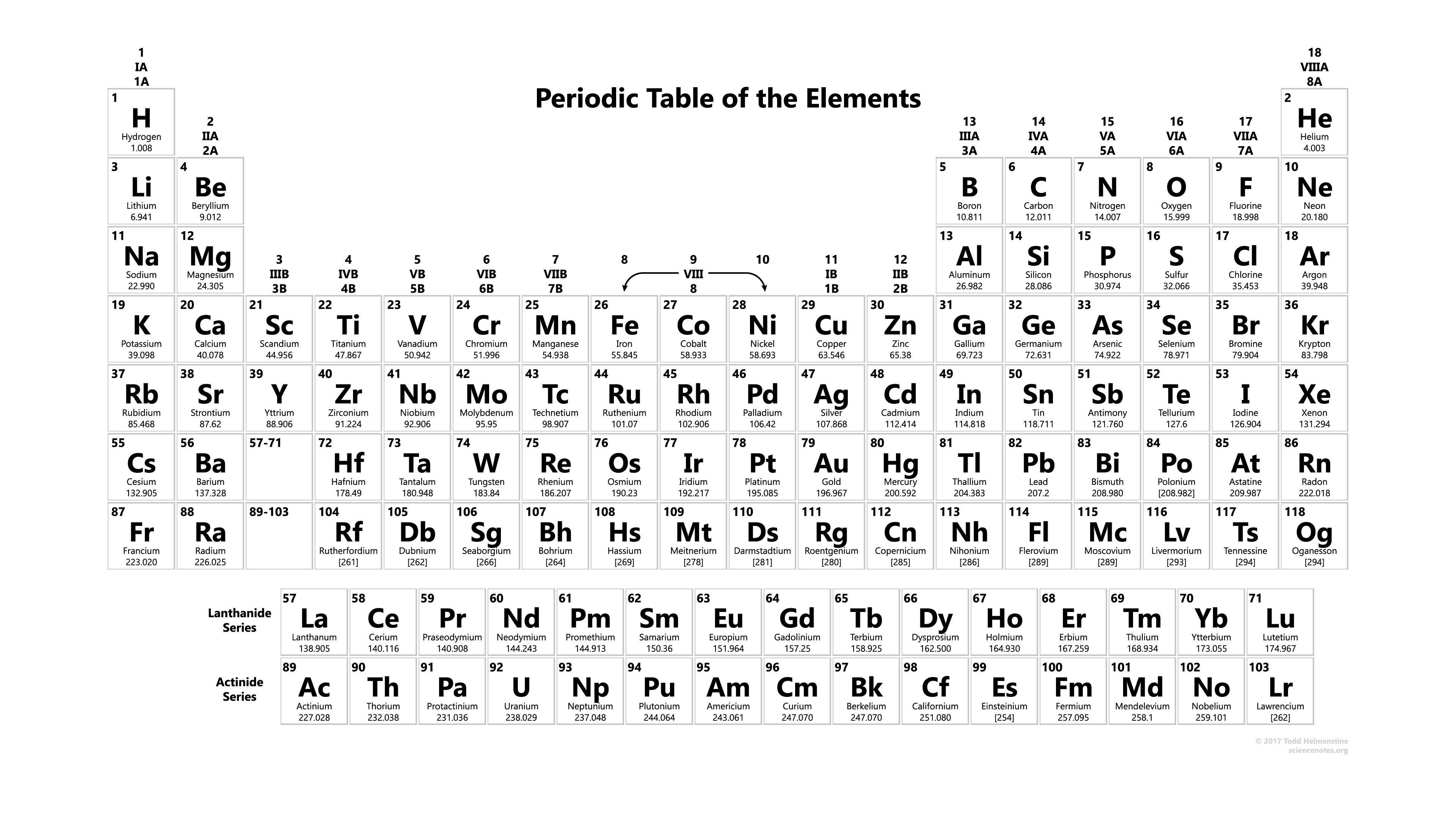
For Groups 13–18, subtract 10 from the group number.
A Lewis structure uses the total number of valence electrons in the entire molecule.
For example, in H2O:
2 H atoms × 1 electron + 1 O atom × 6 electrons = 8 valence electrons.
This total is your electron budget. Do not lose track of it.
Find the total number of valence electrons available for each atom or molecule.
Use the same process every time. The most important habit is to keep track of your total valence electrons.
Add the valence electrons from every atom in the molecule.
This gives you your total electron budget.
Put the other atoms around a central atom.
Hydrogen is never the central atom because it can only form one bond.
Carbon is commonly central when it is present. Otherwise, it will typically be the atom which is alone that is central.
Draw one single bond between the central atom and each surrounding atom.
Each bond represents 2 electrons.
Subtract 2 electrons from your total for every bond you draw.
Use the remaining electrons to give the surrounding atoms full outer shells.
Add lone pairs in groups of 2 electrons.
If the central atom does not have a full octet and electrons are still available, convert lone pairs on surrounding atoms into additional bonds.
This creates double or triple bonds.
Continue until the electron count is correct and the atoms have appropriate outer shells.
If yes, your Lewis structure is ready.
Follow the method from left to right. The diagram below shows how the electrons are accounted for at each stage.
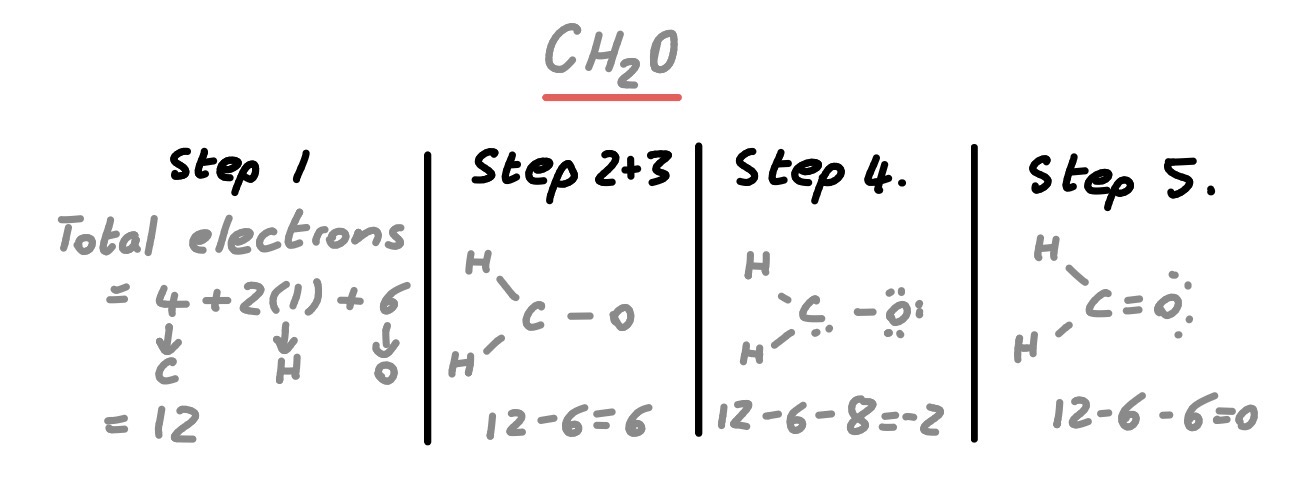
Hydrogen only needs 2 electrons around it, rather than a full octet.
Carbon is connected to both hydrogen atoms and oxygen. It provides the central framework of the structure.
After the single bonds and lone pairs are added, the remaining electrons form a double bond between carbon and oxygen. Hydrogen cannot form a double bond because it can only have two electrons around it.
For each molecule, use the five-step method.
Do not try to memorise the final picture. Work it out from the electrons.
Hint: Hydrogen can only form one bond.
Hint: Oxygen is the central atom. Remember to give the outer atoms their full shells.
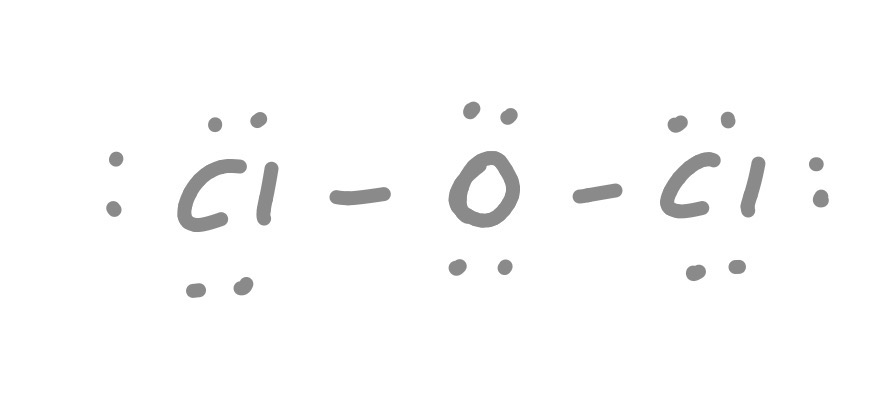
Hint: Start with single bonds, then check the central carbon. You may need a multiple bond.
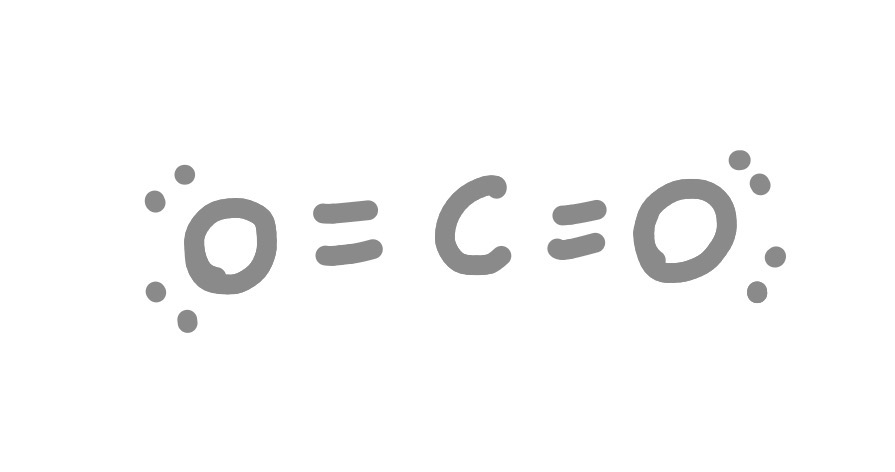
You can now build a Lewis structure by accounting for valence electrons, bonds, and lone pairs.
Determine the total number of valence electrons available.
Arrange the atoms and add bonds, then distribute the remaining electrons.
Make sure the atoms have the appropriate number of electrons around them.
Use Lewis structures to determine electron geometry, molecular shape and bond angle — then explain why the structure has that arrangement.
The atoms in a molecule are not simply arranged on a flat page. They occupy positions in 3D space, and the arrangement affects the molecule's properties.
Two ideas describe this arrangement:
The angle between two bonds around a central atom.
The overall arrangement of the bonded atoms around the central atom.
Two molecules can both have a bent molecular shape while having different bond angles.
So, naming the shape does not always tell us the exact angle. We need to understand what controls the angle.
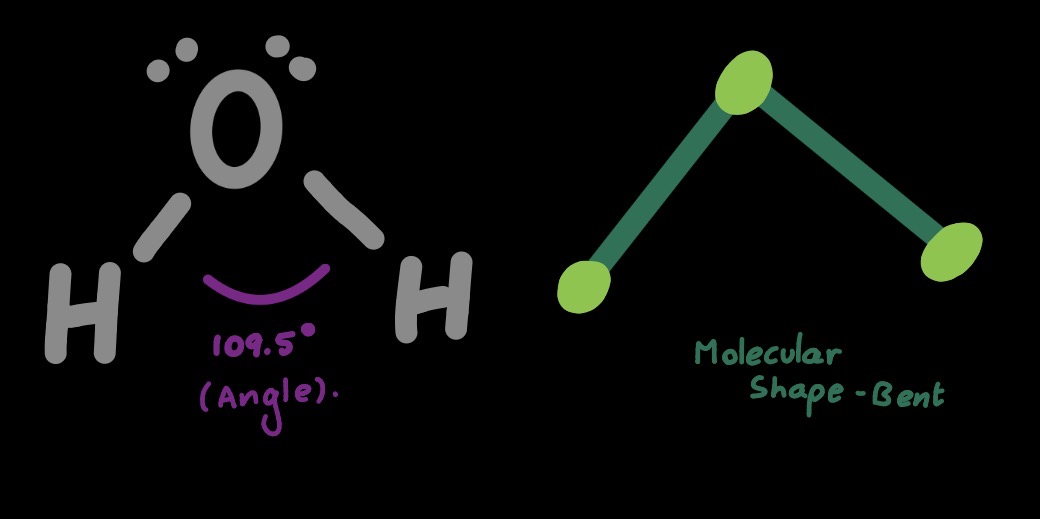
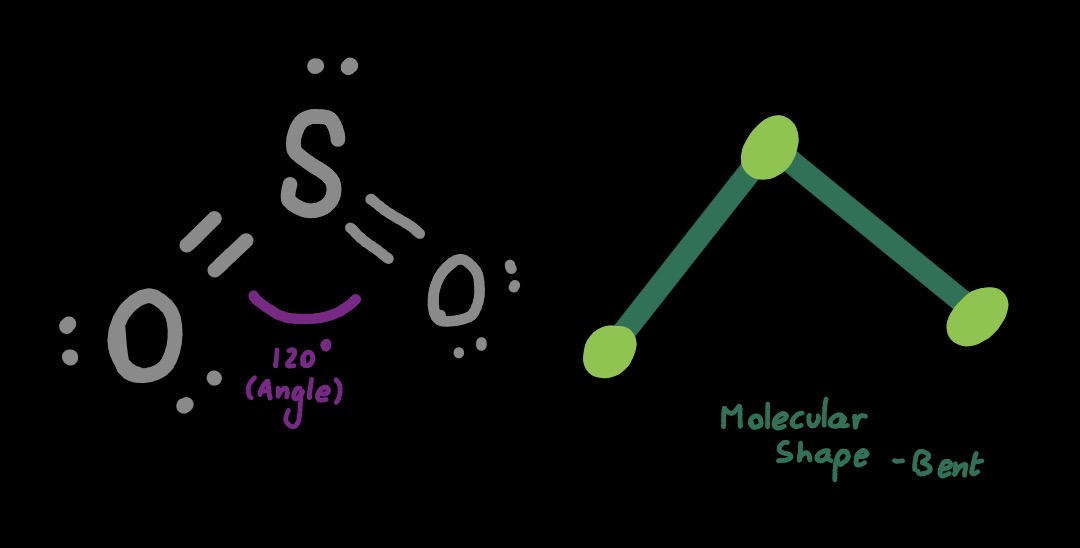
Molecular shapes can also be visibly different. For example, a linear arrangement is different from a bent arrangement.
The important question is: what makes the atoms settle into these different arrangements?
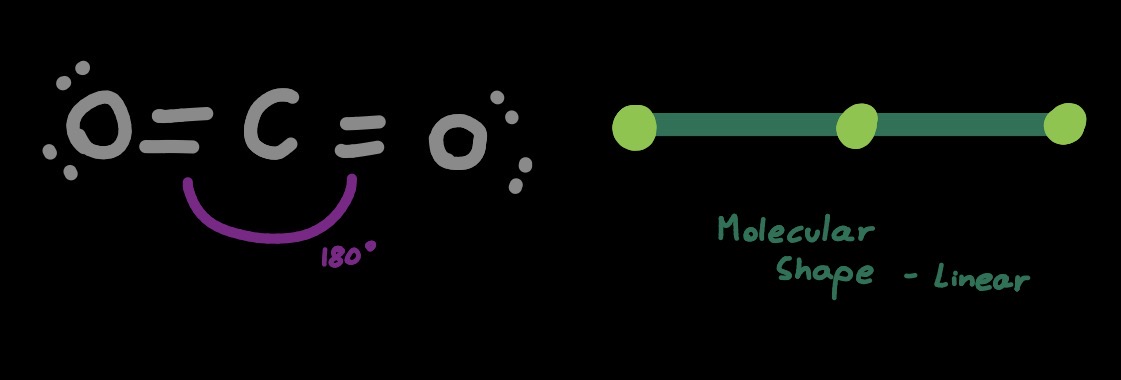
Around a central atom, regions of electron density repel one another. They arrange themselves so they are as far apart as possible, giving the minimum possible repulsion.
Before finding a shape or angle, count the regions of electron density around the central atom.
A region can be:
A single, double or triple bond each counts as one region of electron density.
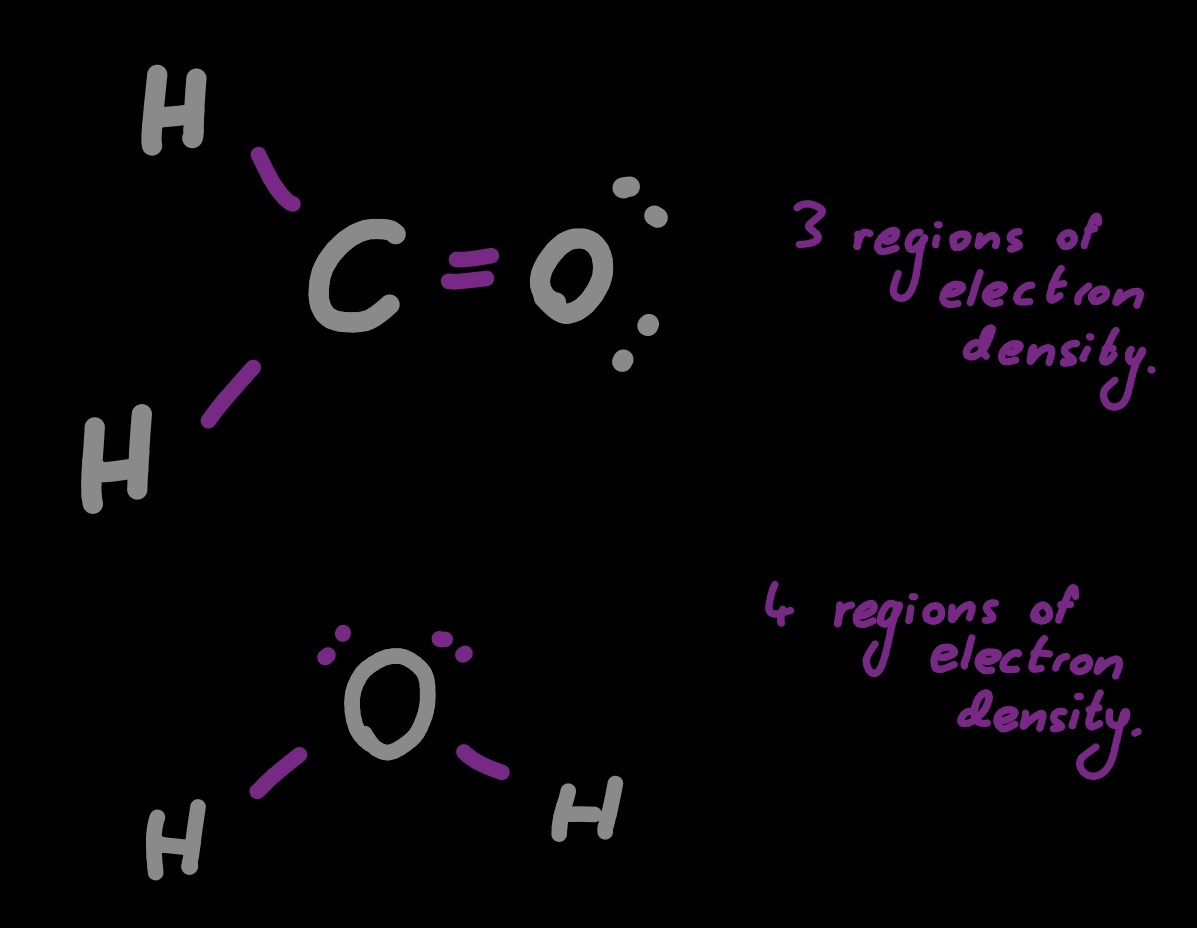
In CH2O, the double bond counts as one region and each C–H bond counts as one region. That gives three regions.
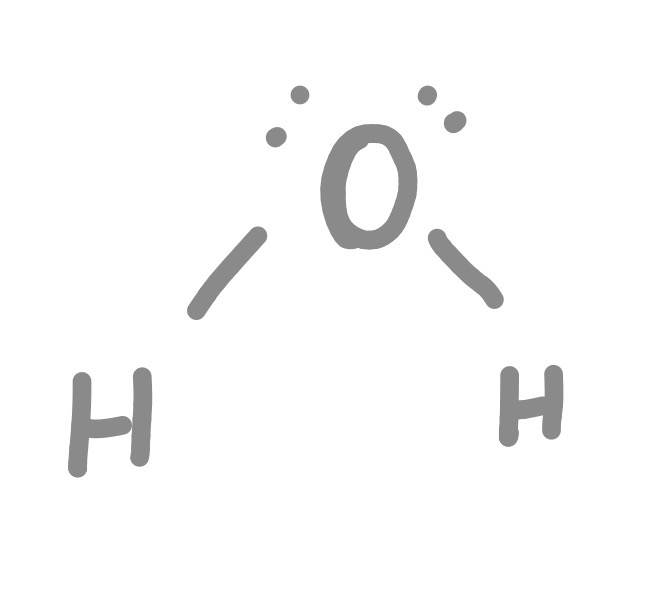
In H2O, the oxygen has two bonding regions and two lone pairs. That gives four regions.
The regions spread out to minimise repulsion. This produces predictable arrangements called electron geometries.
Nitrogen has three N–H bonding regions and one lone pair. That gives four regions of electron density.
Four regions give a tetrahedral electron geometry with an ideal angle of 109.5°.
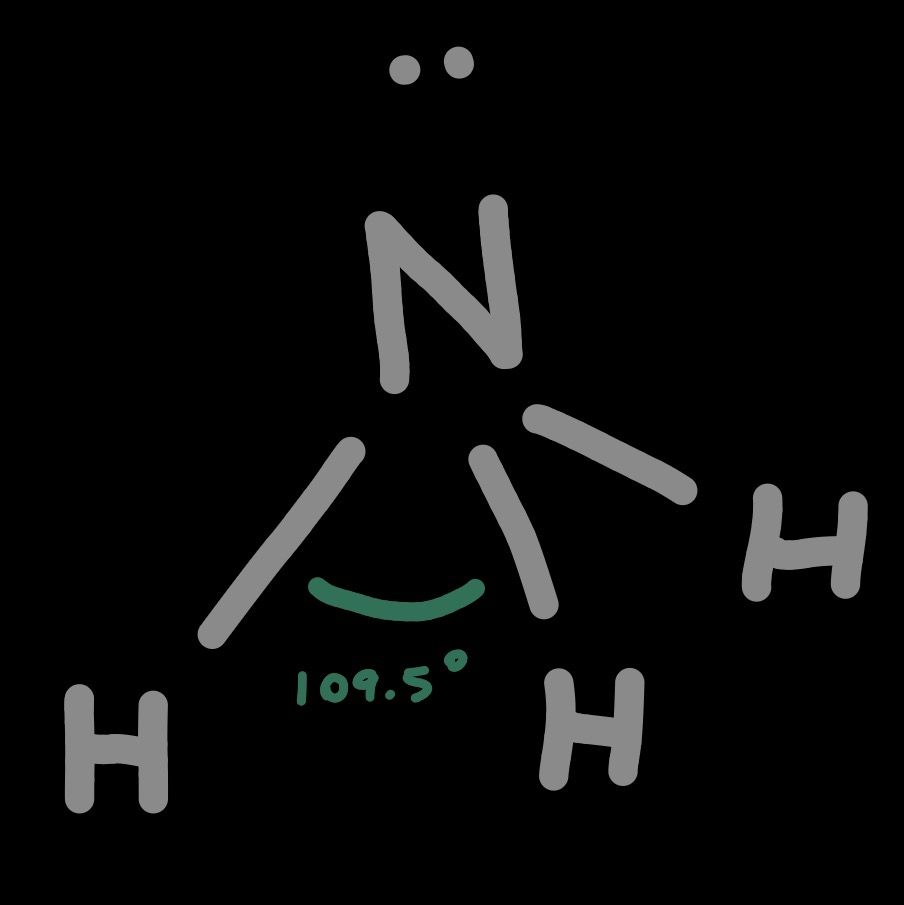
Electron geometry describes the arrangement of all electron regions around the central atom.
Molecular shape describes the arrangement of the bonded atoms only. Lone pairs are not visible as atoms, but they still occupy space and repel the bonding regions.
The molecular shape matches the electron geometry.
The electron geometry stays the same, but the observable molecular shape changes.
Three bonding regions and no lone pairs give a trigonal planar molecular shape.
Three bonding regions and one lone pair give a trigonal pyramidal molecular shape.
Both have four or fewer electron regions involved in the arrangement, but the lone pair changes the observable shape.
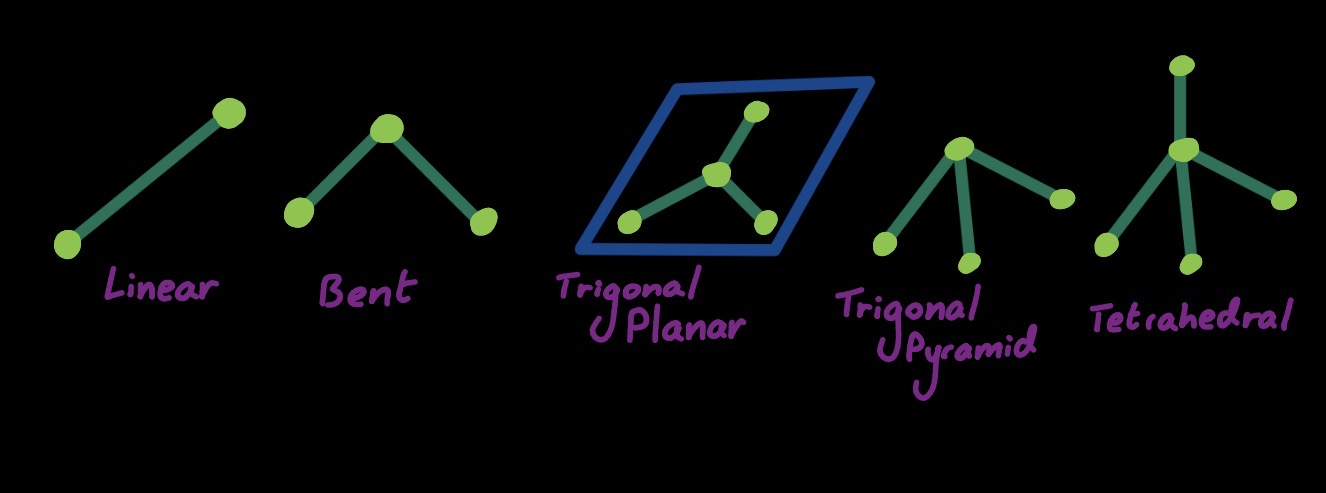
Do the Lewis structure first. Then use the number of bonding and non-bonding regions to determine the molecular shape and bond angle.
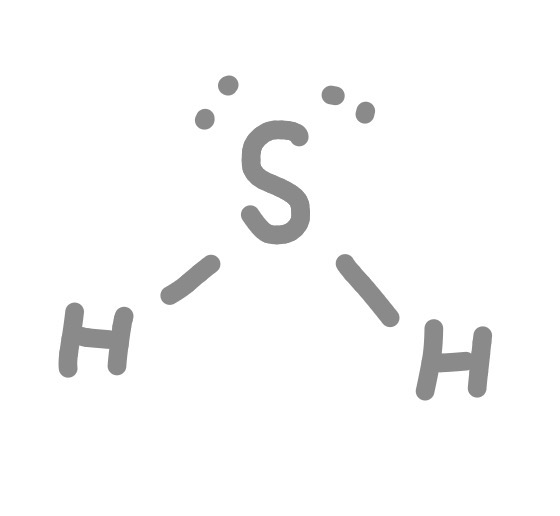
This time, use the same method without looking at the worked explanation first.
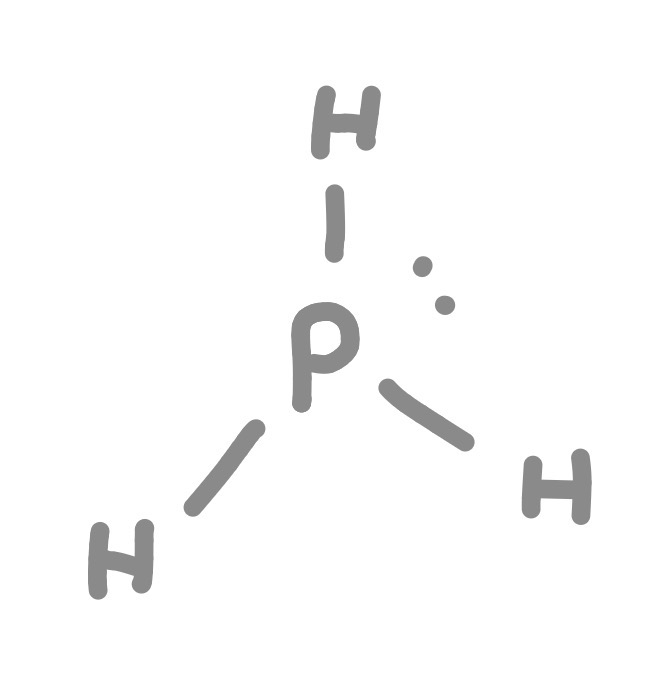
In a written question, the strongest answers connect the Lewis structure to electron repulsion, then connect that arrangement to the molecular shape and bond angle.
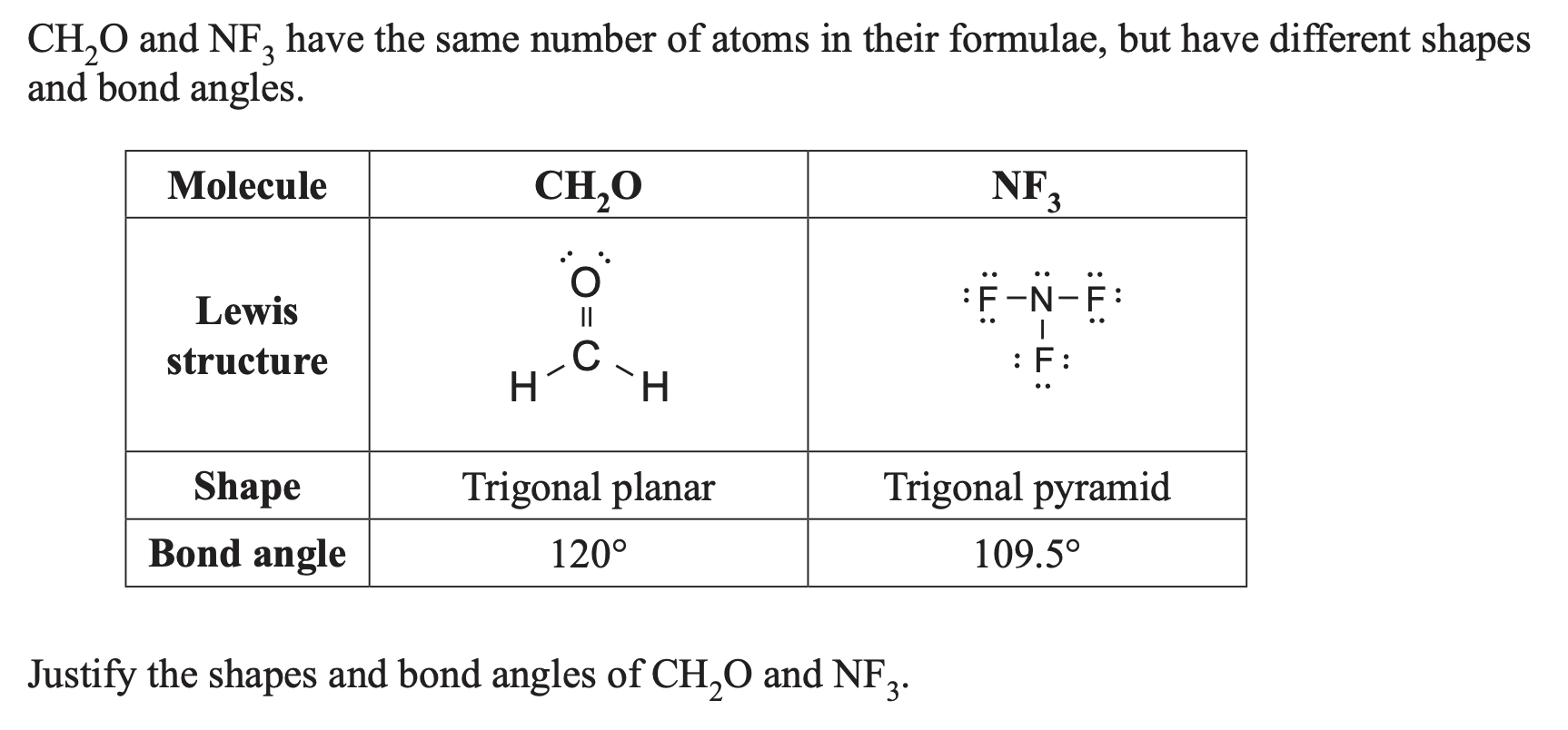
91164: Demonstrate understanding of bonding, structure, properties and energy changes. This question assesses Lewis structures and molecular shape.
Identifies the number of electron regions, or identifies bonding and non-bonding regions for one molecule.
Links the regions of electron density minimising repulsion to the bond angle for one molecule.
Justifies the bond angle and molecular shape of both molecules by linking electron regions, repulsion, and bonding versus non-bonding regions.
This is a rough gauge only. It looks for particular words and numbers, so it cannot determine whether your reasoning is correct or which grade your answer would earn. Compare your answer with the criteria and exemplar.
CH2O has three regions of electron density around the central carbon atom. The regions repel each other and arrange themselves with maximum separation to minimise repulsion. This gives a trigonal planar electron geometry with a 120° bond angle. All three regions are bonding, so the molecular shape is also trigonal planar.
NF3 has four regions of electron density around the central nitrogen atom. These regions arrange themselves to maximise separation and minimise repulsion, giving a tetrahedral electron geometry with an ideal angle of 109.5°. Three regions are bonding and one is non-bonding, so the molecular shape is trigonal pyramidal.
You can now use electron regions and electron-pair repulsion to determine the shape and bond angle of a molecule.
Identify the bonding and non-bonding electron regions around the central atom.
Use the number of electron regions to determine how they arrange themselves.
Account for lone pairs, then identify the molecular shape and approximate bond angle.
Explain why bonds and molecules are polar or non-polar using electronegativity, molecular shape and symmetry.
Electronegativity is the ability of an atom to attract the shared electrons in a covalent bond.
When two different atoms form a covalent bond, they do not necessarily attract the shared electrons equally. The atom with the greater electronegativity pulls the electrons closer to itself.
Greater electronegativity → stronger attraction for electrons.
Electronegativity depends mainly on how strongly the nucleus can attract the outer electrons.
A greater positive charge in the nucleus gives the nucleus a stronger attraction for electrons.
If the outer electrons are further from the nucleus, the attraction between the nucleus and those electrons is weaker.
We can use the position of elements in the periodic table to compare their relative electronegativities.
So, when comparing two elements, think about their positions on the periodic table before anything else.
Use the periodic table and enter the symbol of the more electronegative element.
A covalent bond involves two atoms sharing electrons. If the atoms have different electronegativities, the electrons are shared unevenly.
The more electronegative atom attracts the shared electrons more strongly. This gives the bond an uneven distribution of electron density called a dipole.
Because the electrons spend more time closer to the more electronegative atom, the two atoms develop partial charges.
The less electronegative atom has less electron density.
The more electronegative atom has greater electron density.
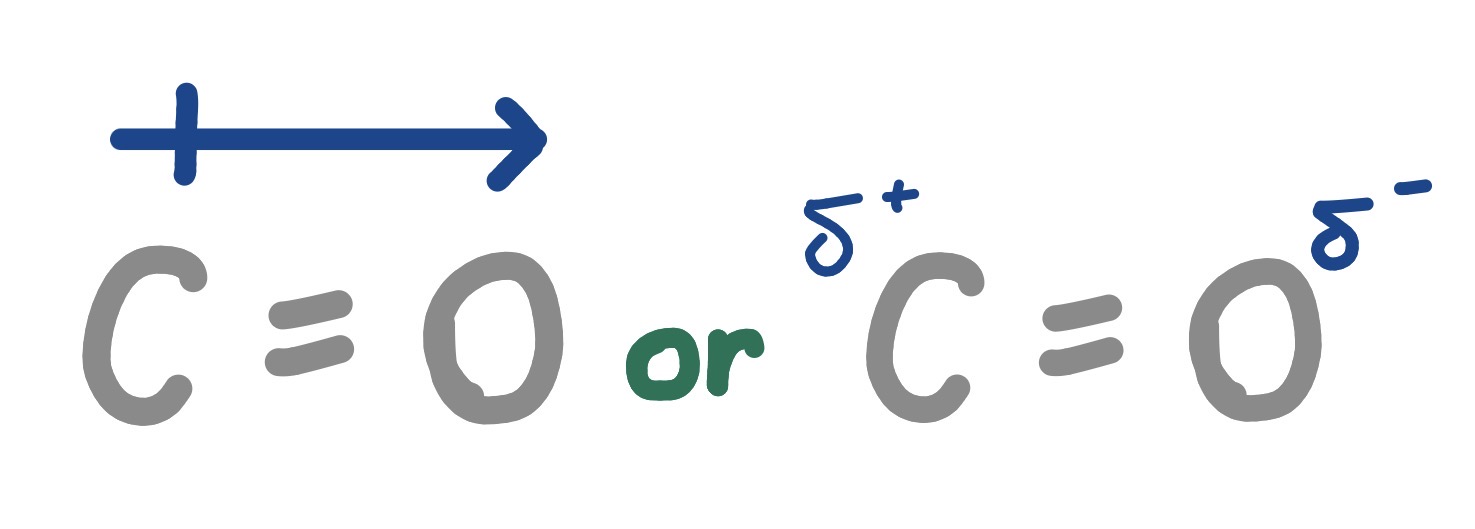
You may show a bond dipole using either δ+ / δ− symbols or a dipole arrow.
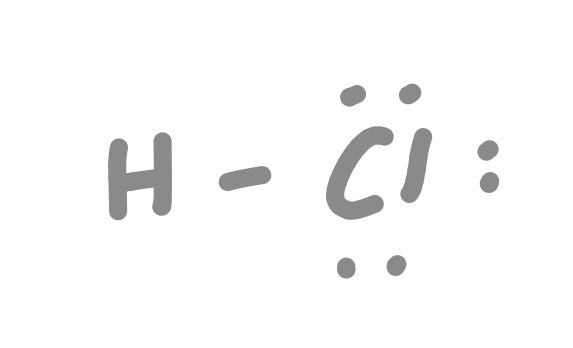
Chlorine is more electronegative than hydrogen, so chlorine attracts the shared electrons more strongly.
The bond therefore has a dipole directed towards chlorine.
The greater the difference in electronegativity between the two atoms, the greater the unevenness in electron sharing and the stronger the bond dipole.
Use the tools below to annotate each bond. Show which end is partially positive and which end is partially negative.
Show the polarity of the H–Cl bond.
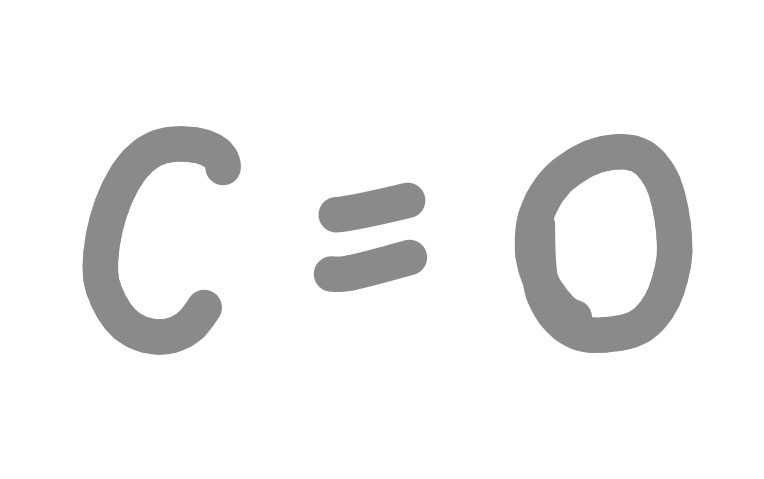
Show the polarity of the N–H bond.
We can now identify whether individual bonds are polar. The next question is whether the whole molecule is polar.
To answer this, we need to consider two things:
Different electronegativities can produce bond dipoles.
This depends on the molecular shape and symmetry.
In a symmetrical molecule, equal bond dipoles can point in opposite directions and cancel.
In an asymmetrical molecule, the dipoles do not cancel completely, leaving a net dipole.
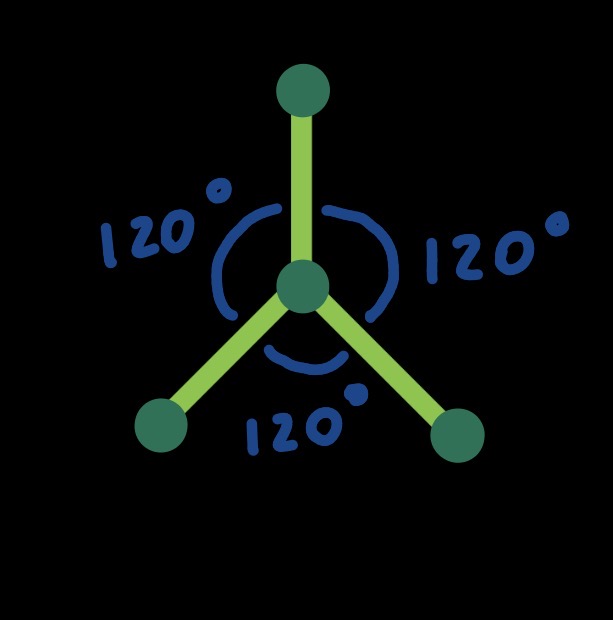
Symmetrical → dipoles can cancel

Asymmetrical → dipoles do not cancel
Work through the method rather than jumping straight to the final answer.
O is more electronegative than H, so the O–H bonds are polar.
H2O has a bent molecular shape.
The bent shape is asymmetrical, so the bond dipoles do not cancel.
H2O has a net dipole and is therefore polar.
Use the Lewis structure and work through the four stages: bond polarity, shape, symmetry, then molecular polarity.
This example is deliberately different. The C–O bonds are polar, but the molecule can still be non-polar overall. Work out why.
In a polarity question, naming the molecule as polar or non-polar is only the starting point. Your explanation should connect the ideas you have just learned.
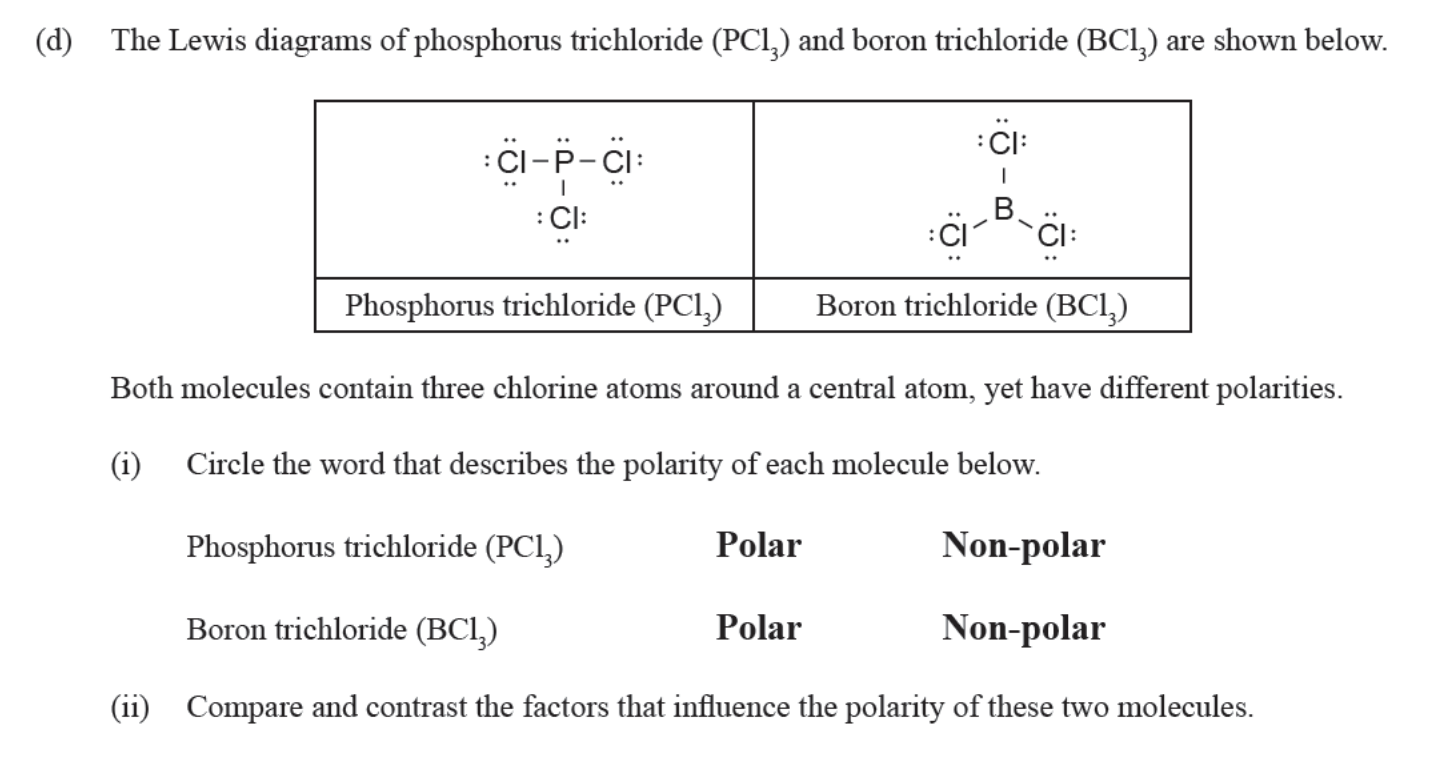
91164: Demonstrate understanding of bonding, structure, properties and energy changes. This question assesses Lewis structures, polarity and molecular shape.
Identifies the polarity of both molecules (PCl3 polar, BCl3 non-polar), or identifies a difference in electronegativity between the atoms in the bonds.
Links the symmetry or asymmetry of one molecule to the cancellation or non-cancellation of its bond dipoles.
Compares and contrasts both molecules, linking electronegativity differences, bond polarity, molecular shape, symmetry and dipole cancellation.
This is a rough gauge only. It looks for particular words and ideas, so it cannot determine whether your reasoning is correct or which grade your answer would earn. Always compare your answer with the criteria and exemplar.
(i) PCl3 is polar. BCl3 is non-polar.
Both the P–Cl and B–Cl bonds are polar because there is a difference in electronegativity between the atoms. However, PCl3 has a trigonal pyramidal shape, which is asymmetrical. Therefore its bond dipoles do not cancel, leaving a net dipole, so the molecule is polar.
In contrast, BCl3 is trigonal planar and symmetrical. Its bond dipoles cancel out, so there is no net dipole and the molecule is non-polar.
You can now use electronegativity, bond polarity, and molecular shape to determine whether a molecule is polar or non-polar.
Determine whether the atoms in a bond attract electrons equally or unequally.
Identify partial charges and recognise the direction of the bond dipole.
Use the molecular shape to decide whether the bond dipoles cancel or leave a net dipole.
Understand energy changes, read energy level diagrams, and use mole, heat and bond-energy relationships to solve NCEA calculation questions.
A reaction or process can either take in energy from its surroundings or release energy to its surroundings. This gives us two important categories:
Energy is taken in from the surroundings.
Energy is released to the surroundings.
If the temperature of the surroundings increases, energy has been released: the process is exothermic.
If the temperature decreases, energy has been taken in: the process is endothermic.
A positive ΔrH means energy is taken in, so the reaction is endothermic.
A negative ΔrH means energy is released, so the reaction is exothermic.
Breaking bonds requires energy. Forming bonds releases energy.
The overall energy change depends on which effect is greater.
Endothermic. The water changes state from solid to liquid to gas. Energy must be taken in from the surroundings to overcome the attractions between the particles. Since energy is being taken in, the process is endothermic.
Endothermic. ΔrH is positive (+180 kJ mol−1), which means energy is being taken in from the surroundings. Since energy is being taken in, the reaction is endothermic.
Exothermic. The temperature of the mixture increased, so energy was released from the reaction to the surroundings. Since heat is being released, the reaction is exothermic.
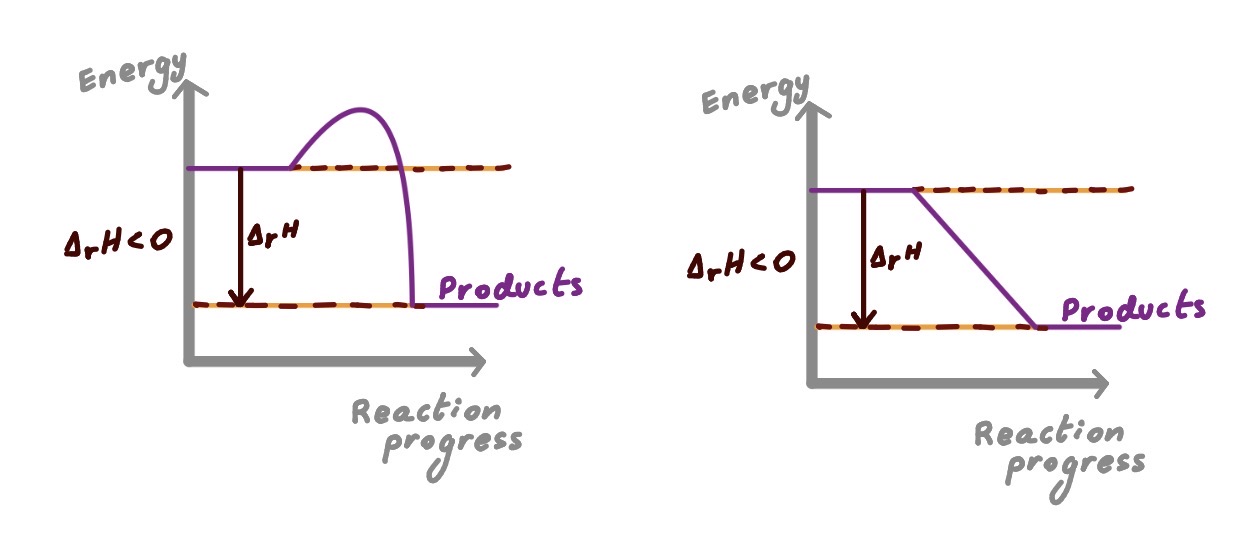
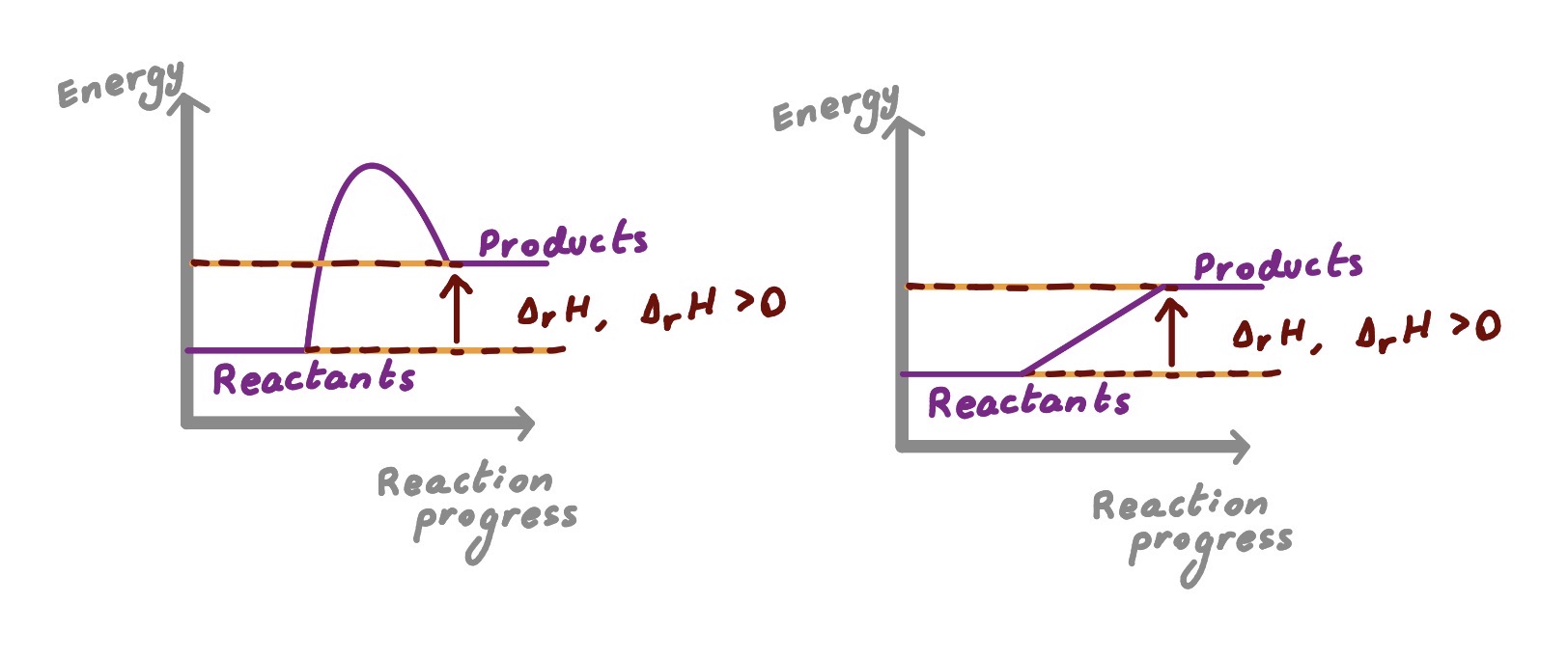
An energy level diagram shows the relative energy stored in the reactants and products.
The most important thing to remember is: the products tell you where the reaction ends, and the reactants tell you where it starts.
An exothermic reaction releases heat energy to the surroundings, so the products have a lower energy level than the reactants.
An endothermic reaction takes in heat energy from the surroundings, so the products have a higher energy level than the reactants.
A mole is a measure of the amount of substance. In Level 2 Chemistry, you need to be able to move fluently between amount, mass and molar mass.
The molar mass will normally be given in the question or resource sheet. Always check your units before substituting numbers.
Calculate the amount, in mol, of CO2 in the sample.
M(CO2) = 44.01 g mol−1. Give your answer to 3 significant figures.
n = m ÷ M
n = 300 ÷ 44.01 = 6.81663… = 6.82 mol
Calculate the mass, in g, of NaCl she needs to weigh out.
M(NaCl) = 58.44 g mol−1. Give your answer to 3 significant figures.
m = n × M
m = 3.40 × 58.44 = 198.696 = 199 g
The concentration of a solution tells you how many moles of substance are dissolved in each litre.
Calculate the amount, in mol, of NaOH in the solution.
Give your answer to 3 significant figures.
V = 150 ÷ 1000 = 0.150 L
n = c × V
n = 0.350 × 0.150 = 0.0525 mol
Once you know the amount of reaction and the enthalpy change per mole of reaction, you can calculate the total heat released or absorbed.
The r in ΔrH stands for reaction.
ΔrH describes the heat change for one mole of reaction. The balanced equation tells you what that one mole of reaction involves.
Therefore one mole of reaction means:
Keep track of the sign of ΔrH. A negative value represents an exothermic reaction; a positive value represents an endothermic reaction.
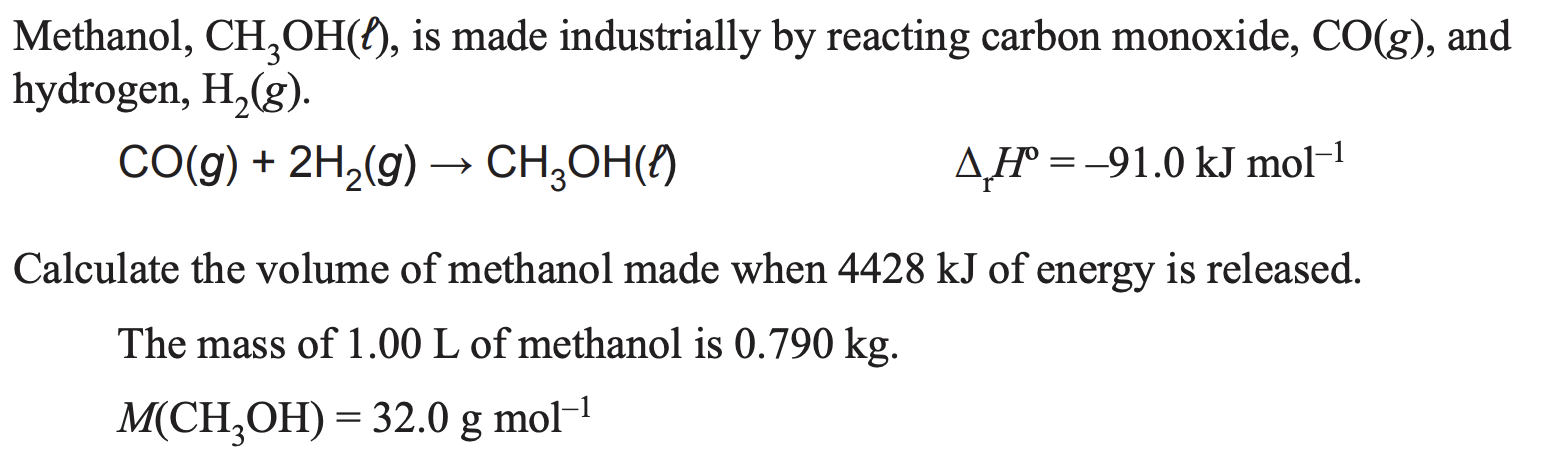
No hints, as in the exam. Write out your working line by line, then give your final answer with its unit.
Three steps from the energy released to the volume of methanol. Each step unlocks when the one before it is correct.
ΔrH is per mole of reaction. CH3OH has a coefficient of 1, so one mole of reaction makes one mole of methanol.
n = q ÷ ΔrH = 4428 ÷ 91.0 = 48.66… mol
Convert moles to mass using the molar mass given in the question.
m = n × M = 48.66 × 32.0 = 1557 g
The question says 1.00 L of methanol has a mass of 0.790 kg.
1557 g = 1.557 kg
V = 1.557 ÷ 0.790 = 1.97… = 1.97 L
91164: Demonstrate understanding of bonding, structure, properties and energy changes.
n(CH3OH) = 4428 ÷ 91.0 = 48.66… = 48.7 mol
m = 48.66 × 32.0 = 1557 g = 1.557 kg
V = 1.557 ÷ 0.790 = 1.97 L
Bond breaking requires energy, so it is endothermic.
Bond making releases energy, so it is exothermic.
The first step is to count every bond that is broken and every bond that is made.
But-1-ene has one C=C, two C–C and eight C–H bonds. H2 has one H–H bond.
| Bond | Number | Enthalpy (kJ mol−1) | Total |
|---|---|---|---|
| C=C | 1 | 614 | 614 |
| C–C | 2 | 346 | 692 |
| C–H | 8 | 414 | 3312 |
| H–H | 1 | 436 | 436 |
| Bonds broken | 5054 | ||
Butane has three C–C bonds and ten C–H bonds.
| Bond | Number | Enthalpy (kJ mol−1) | Total |
|---|---|---|---|
| C–C | 3 | 346 | 1038 |
| C–H | 10 | 414 | 4140 |
| Bonds made | 5178 | ||
The answer is negative, so the reaction is exothermic.
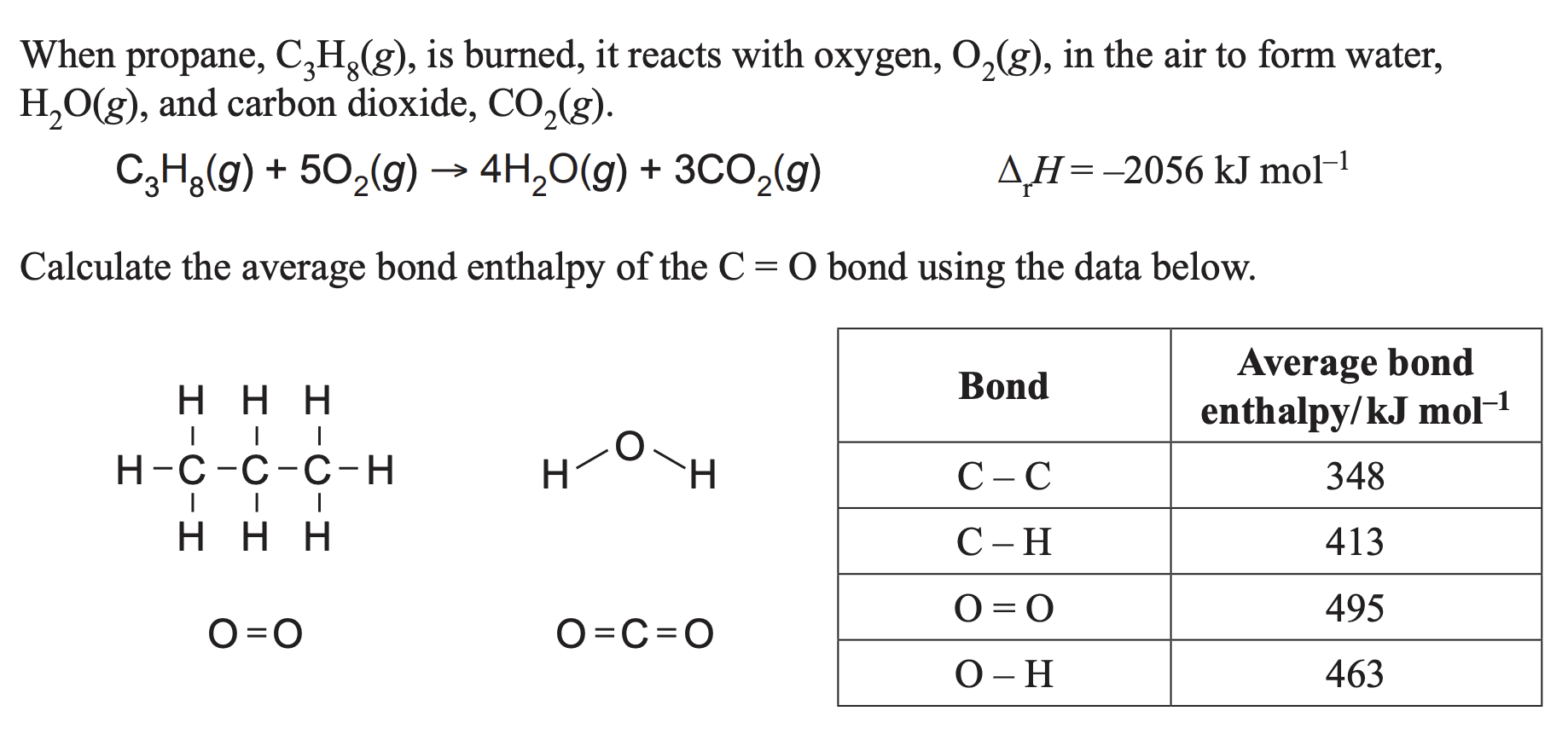
Let E(C=O) be the average bond enthalpy of the C=O bond. Write out your working, state whether the reaction is exothermic or endothermic, then give your final answer with its unit.
Five steps. Each step unlocks when the one before it is correct.
Count each type of bond in C3H8 and 5O2, multiply by its bond enthalpy, and add them together.
2 × C–C = 696, 8 × C–H = 3304, 5 × O=O = 2475
696 + 3304 + 2475 = 6475 kJ mol−1
The products contain 4H2O. Each water molecule contains two O–H bonds.
8 × O–H = 8 × 463 = 3704 kJ mol−1
The C=O bond has the unknown enthalpy, E(C=O). How many are formed in 3CO2?
3 × 2 = 6 C=O bonds
The bonds made total is 3704 + 6E(C=O), and ΔrH is −2056 kJ mol−1.
−2056 = 6475 − (3704 + 6E(C=O))
6E(C=O) = 4827
E(C=O) = 4827 ÷ 6 = 804.5 = 805 kJ mol−1
Use the enthalpy change given in the question.
ΔrH is negative, so the reaction is exothermic.
91164: Demonstrate understanding of bonding, structure, properties and energy changes.
Bonds broken = 6475 kJ mol−1
O–H bonds made = 3704 kJ mol−1
There are six C=O bonds, giving 6E(C=O).
−2056 = 6475 − (3704 + 6E(C=O))
E(C=O) = 805 kJ mol−1
The reaction is exothermic because ΔrH is negative.
You can now identify energy changes, represent them on diagrams, and connect moles, heat and bond energies in calculation questions.
Temperature increase or negative ΔrH means exothermic. Temperature decrease or positive ΔrH means endothermic.
Products are lower for exothermic reactions and higher for endothermic reactions. Label the actual substances.
Know when to use n = m ÷ M and n = cV. Convert mL to L.
Remember that ΔrH is per mole of reaction, so the balanced equation matters.
Bond energy calculations use bonds broken minus bonds made. Count every bond.
Show your working, include units, avoid early rounding and give your final answer to the requested significant figures.
Relate structure, bonding and particle arrangement to the physical properties of molecular, ionic, metallic and extended covalent solids.
Molecular solids contain separate molecules. The covalent bonds inside each molecule are strong, but the attractions between molecules are comparatively weak.
A molecular solid is made of individual molecules.
The covalent bonds within each molecule are not what is normally broken when the solid melts. Instead, the relatively weaker attractions between molecules are overcome.
Exam habit: identify the particles first, then identify the force between those particles.
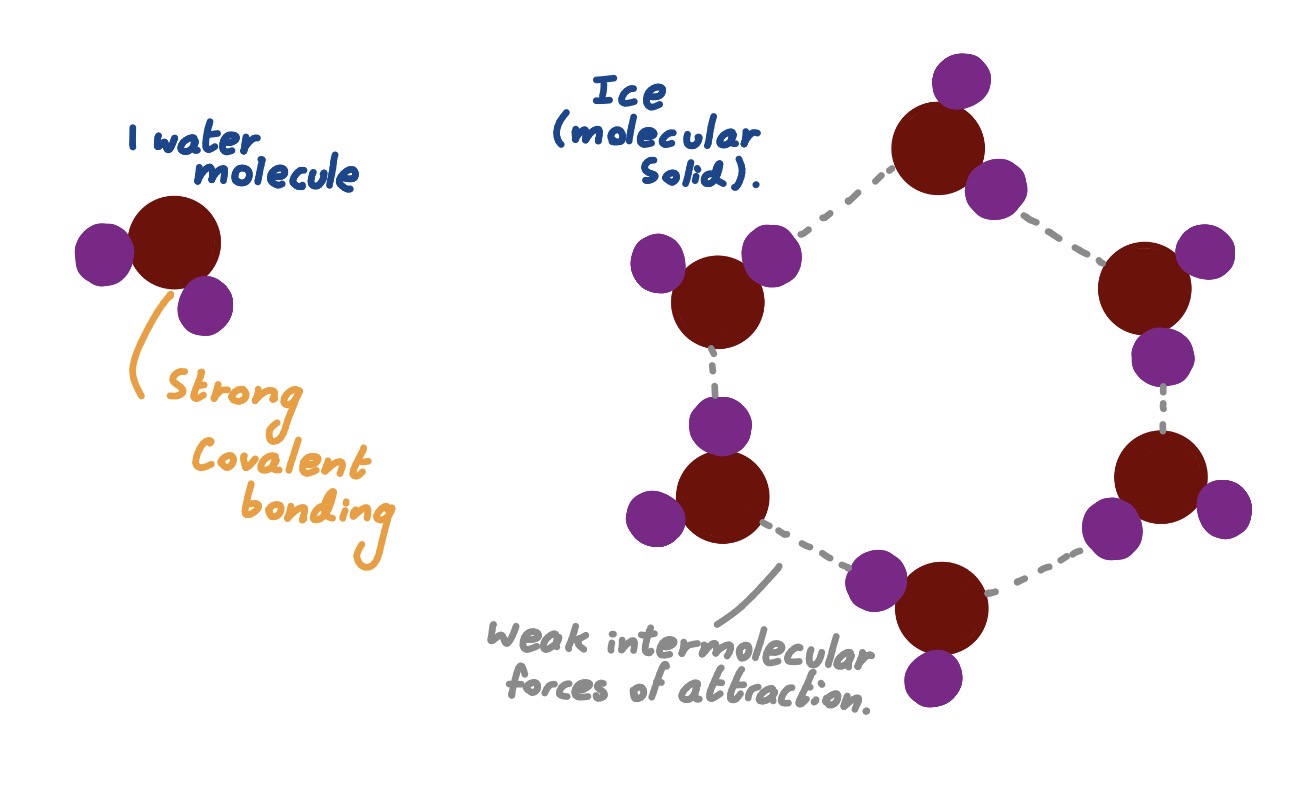
Usually only intermolecular forces need to be overcome to separate the molecules.
There are no mobile charged particles throughout the solid.
Weaker attractions between molecules make separation easier.
Ionic solids contain positive and negative ions arranged in a regular three-dimensional lattice.
The structure is held together by strong electrostatic attractions between oppositely charged ions.
Positive and negative ions are arranged throughout the structure.
Each ion is attracted to ions of the opposite charge around it.
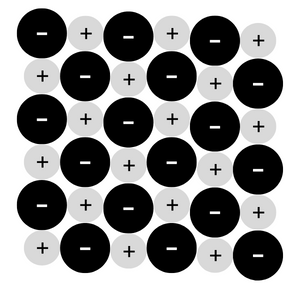
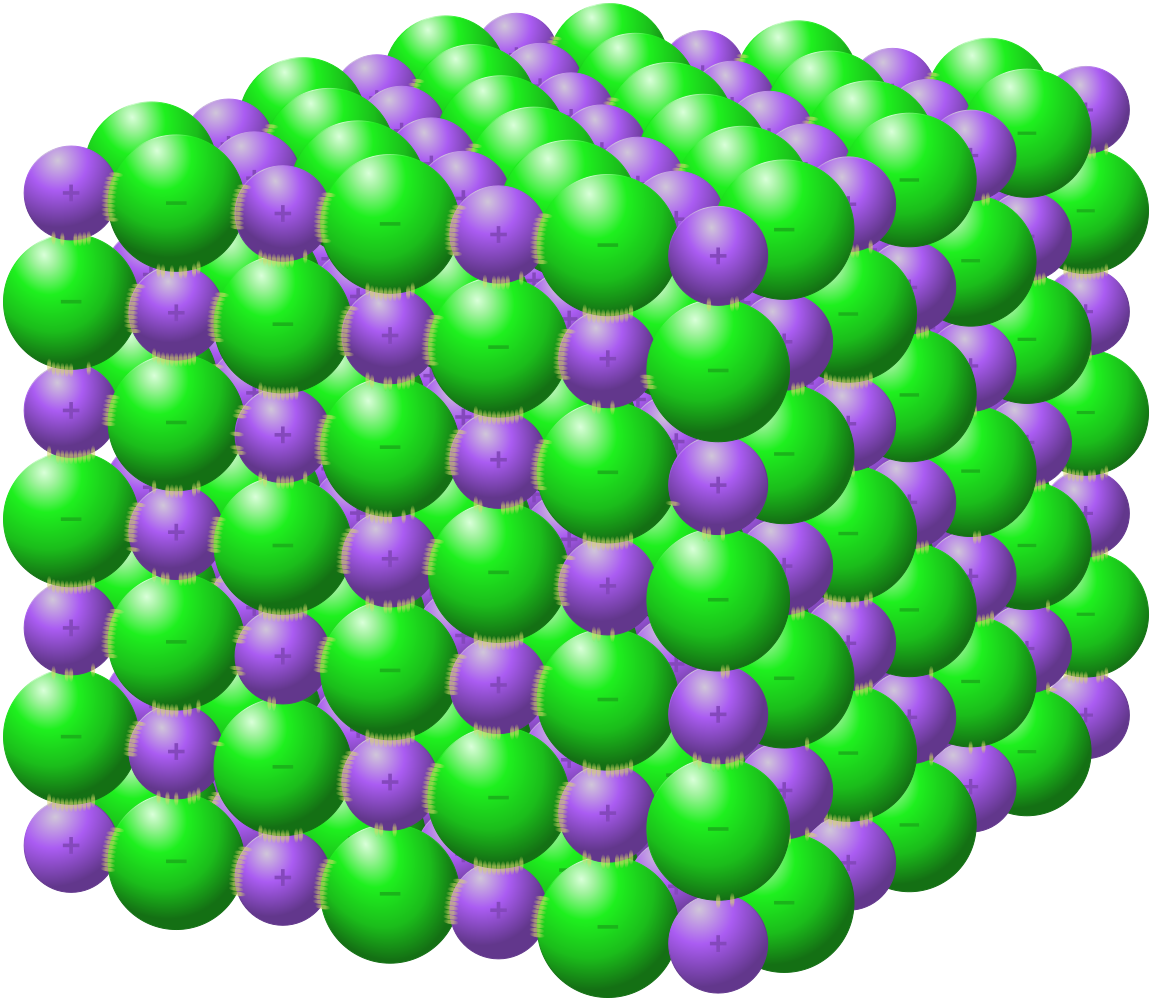
Strong electrostatic attractions require substantial energy to overcome.
Shifting layers can place like charges beside each other, causing repulsion and fracture.
The ions can move when the lattice is no longer fixed.
Metallic bonding is the electrostatic attraction between a lattice of positive metal ions and a sea of delocalised electrons.
The metal atoms form a lattice of positive ions. Their outer electrons become delocalised.
These electrons can move throughout the structure.
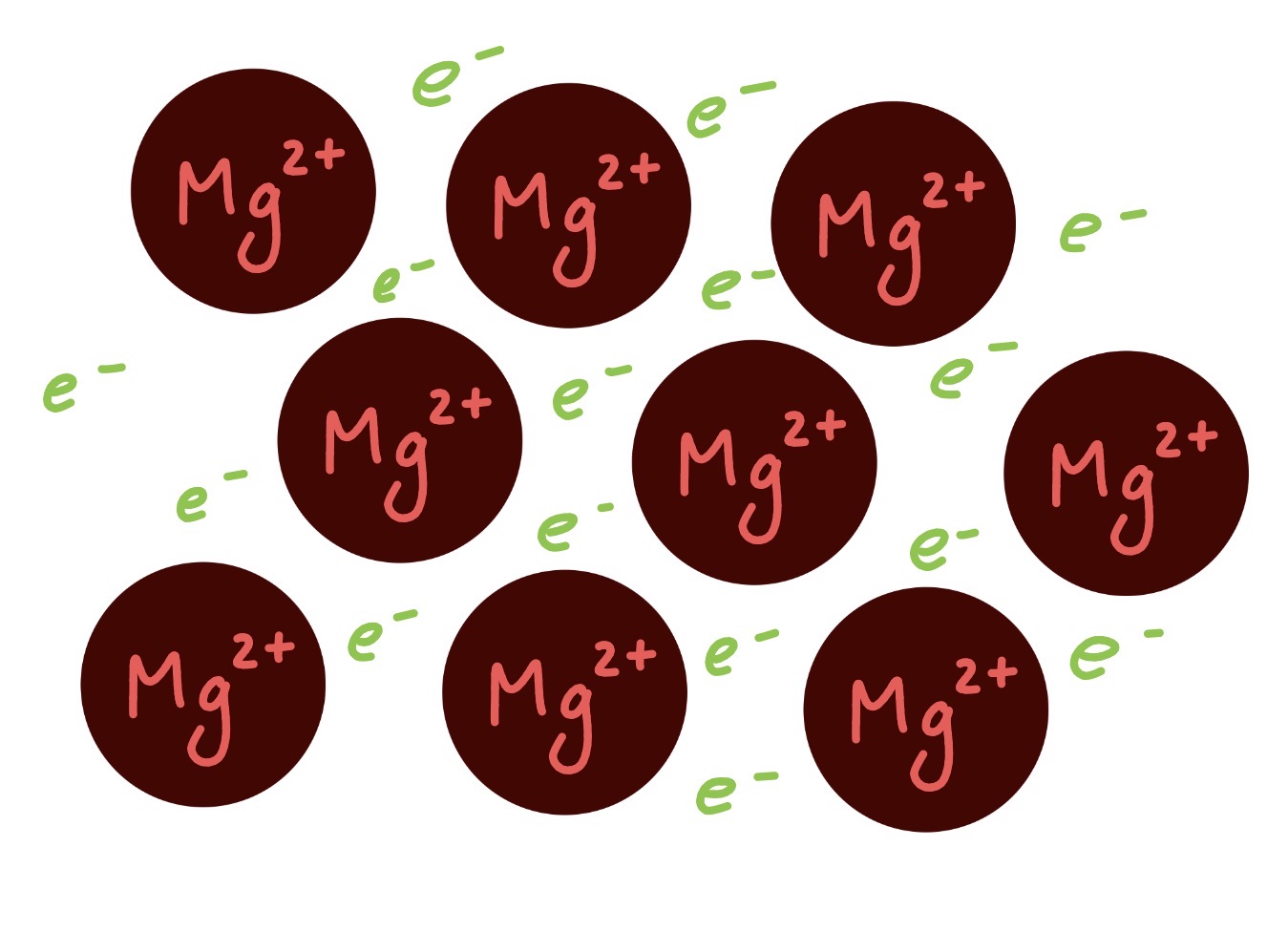
Delocalised electrons are free to move through the structure.
Layers of ions can shift while the non-directional metallic attraction remains.
Strong metallic attractions require energy to disrupt.
An extended covalent network has atoms joined throughout the solid by covalent bonds.
Instead of separate molecules, the whole structure behaves like one enormous network.
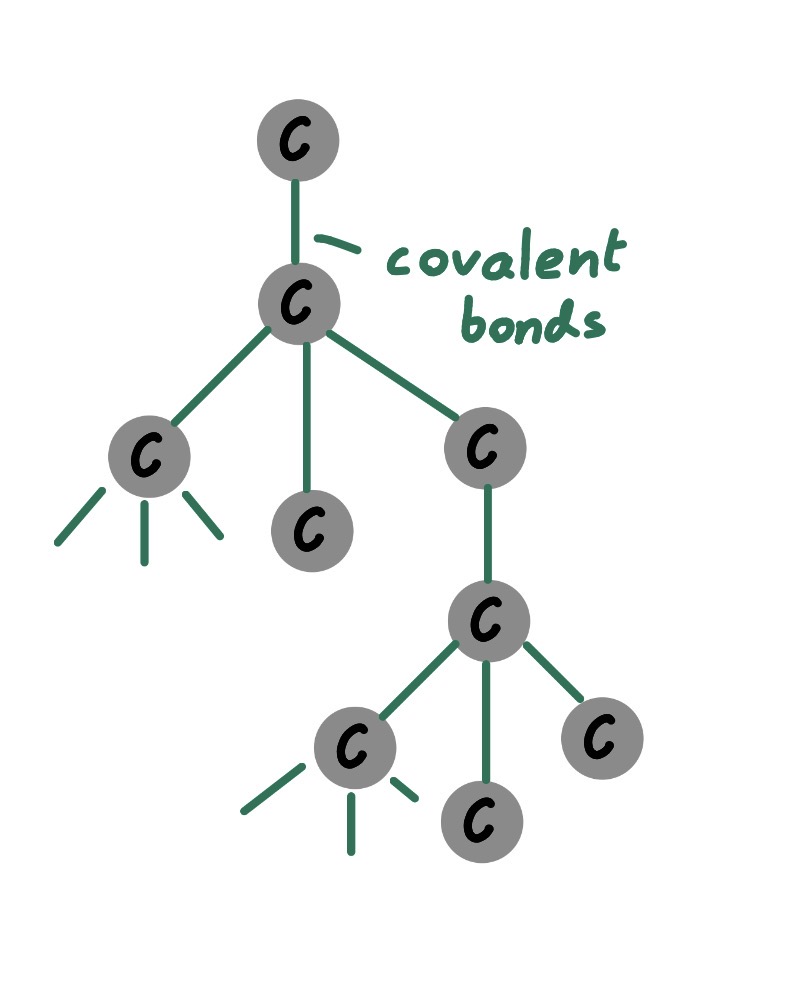
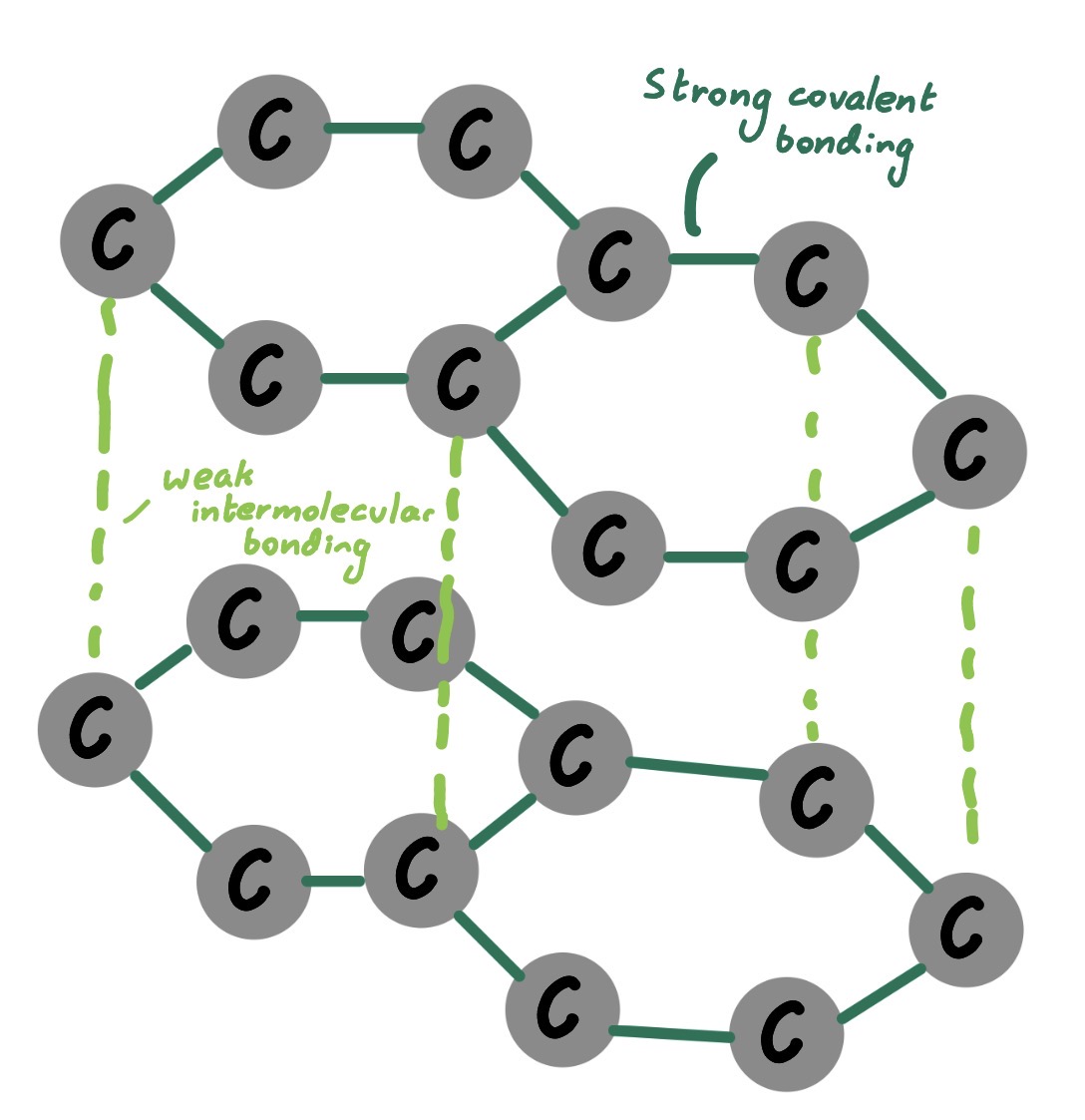
Diamond and graphite are both made from carbon, but their structures differ.
Diamond forms a rigid three-dimensional network. Graphite forms layers with weaker attractions between the layers and delocalised electrons within the structure.
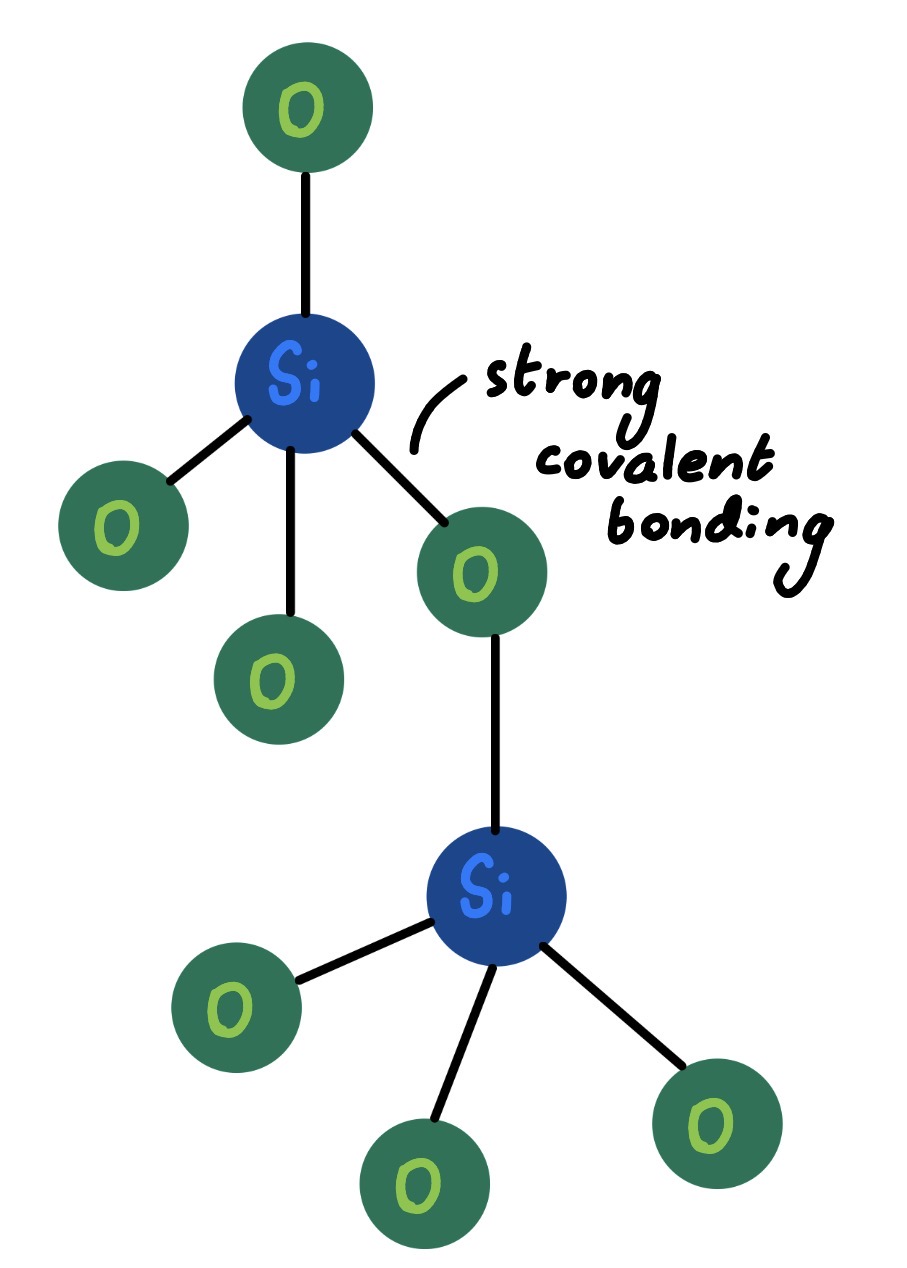
Silicon dioxide also forms an extended covalent network.
Key idea: it is not simply the name of the substance that matters. It is the strength and extent of the bonding throughout the structure.
Strong covalent bonds throughout the network require a large amount of energy to overcome.
The atoms are held in a strong continuous covalent structure.
Different arrangements of the same atoms can produce different physical properties.
In an NCEA question, do not simply state that a substance has a particular property. Explain why it has that property.
Molecular, ionic, metallic or extended covalent.
Molecules, ions, metal ions and electrons, or atoms.
State the force holding the structure together.
Link the strength or movement of the particles to what is observed.
Do not stop at the property. The marks usually come from explaining the link between the structure and the property.
When a solute dissolves, attractions in the solute and solvent are disrupted and new solute–solvent attractions form.
Whether dissolving occurs depends on the relative strengths of these attractions.
Ionic substances can dissolve because water molecules strongly attract the separated ions.
Non-polar molecular substances are generally poorly soluble in water because their attractions with water are too weak.
Use the question below to practise linking particle type, structure, bonding and relative attraction strength.

91164: Demonstrate understanding of bonding, structure, properties and energy changes. This question assesses solubility, linking particles, structure and bonding .
• Identifies attractions are needed
between water and the substance
(KCl) for it to be soluble.
• Identifies that chlorine is
non-polar and is therefore not
attracted to water.
Links relative strengths of attractions of the substance to water for the solubility of ONE of the substances.
Justifies solubility by linking particles, structure, and bonding for both KCl and Cl2.
This is a rough gauge only. It looks for particular words and symbols, so it can't tell whether your reasoning is correct or which grade your answer would earn. In particular, it can't tell “attracted” from “not attracted”, or “strong enough” from “not strong enough”, so check that yourself. Compare your answer with the criteria and the exemplar below.
Potassium chloride is ionic and when it dissolves in water, it separates into its ions.
The negative poles of the water molecules are attracted to the positive K+ ions, and the positive poles of the water molecules are attracted to the negative Cl− ions. This causes the ions to be surrounded by water molecules, and the solid dissolves.
This solid is soluble because the force of attraction between the ions and water is strong enough to overcome the ionic bonds in the lattice and the force of attraction between water molecules.
The non-polar chlorine molecules are not able to attract the polar water molecules with sufficient strength to overcome the solute / solute and solute / solvent attractions and so chlorine is only slightly soluble in water.
The property is the result of the structure. Start with the particles and forces, then explain what you observe.
Decide whether the solid is molecular, ionic, metallic or an extended covalent network.
State what particles are present and what attractive force holds the structure together.
Link the strength and movement of particles to melting point, conductivity, brittleness, malleability or solubility.
Download the original NZQA papers, or sit one here: draw and write in answer boxes, submit at the end of each question, then see your marking, keyword checks and the exemplar answers. Your work saves on this device.